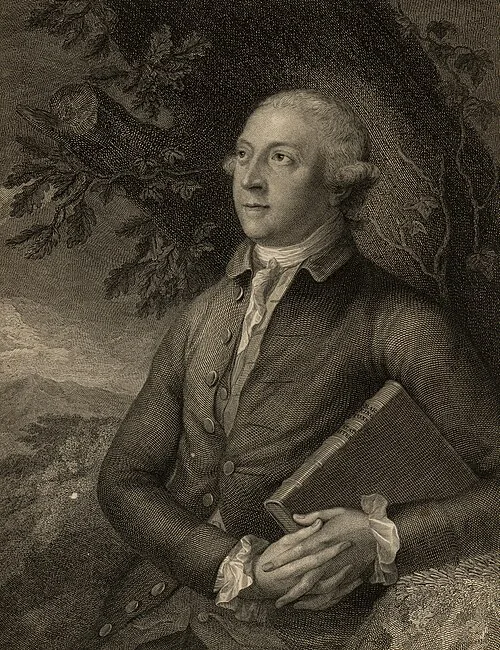
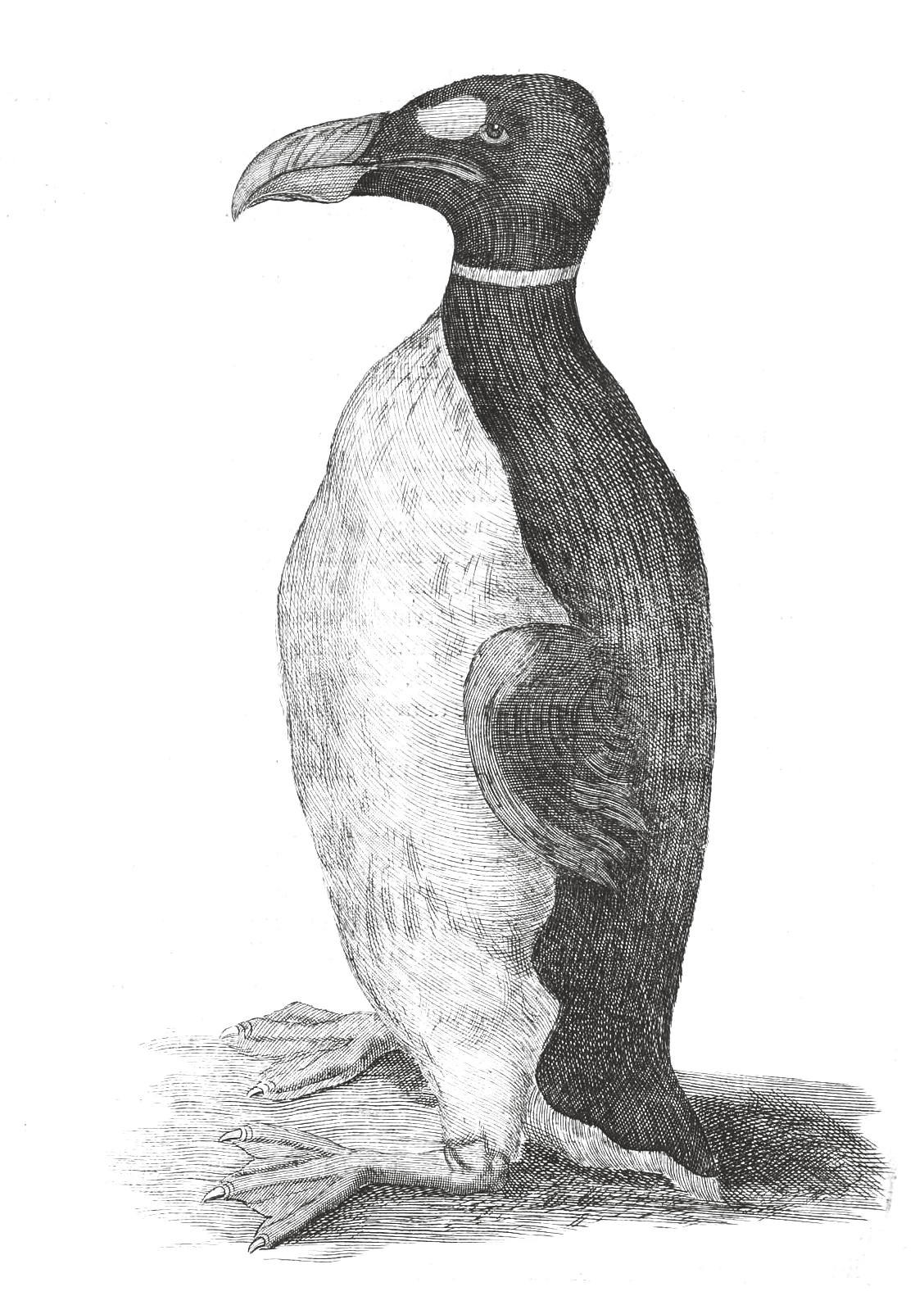
“The sea-fowls are, first, Gairfowl, being the stateliest, as well as the largest of all the fowls here, and above the size of a solan goose, of a black colour, red about the eyes, a large white spot under each eye, a long broad bill; stands stately, its whole body erected, its wings short, it flyeth not at all …”
“According to Mr. Martin, this bird breeds on the isle of St. Kilda, appearing there the beginning of May, and retiring the middle of June. It lays one egg, which is six inches long, of a white color; some are irregularly marked with purplish lines crossing each other, others blotched with black and ferruginous about the thicker end.”
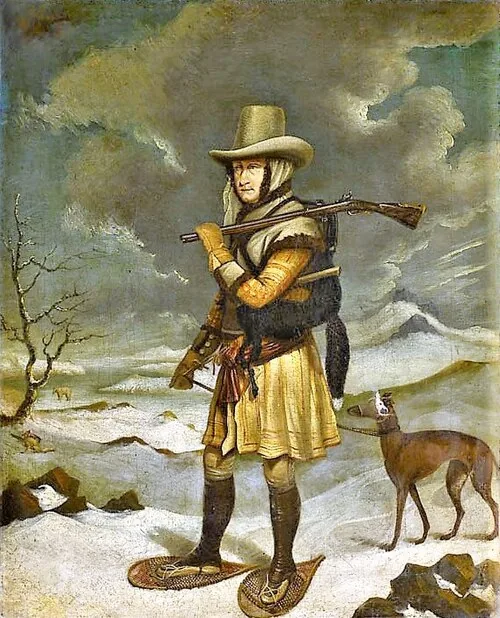
“Funk Island is a small flat island-rock, about twenty leagues east of the island of Fogo, in the latitude of 50° north. Innumerable flocks of sea-fowl breed upon it every summer, which are of great service to the poor inhabitants of Fogo; who make voyages there to load with birds and eggs.”
Entry of 5 July 1785 · published 1792 · spelling regularized
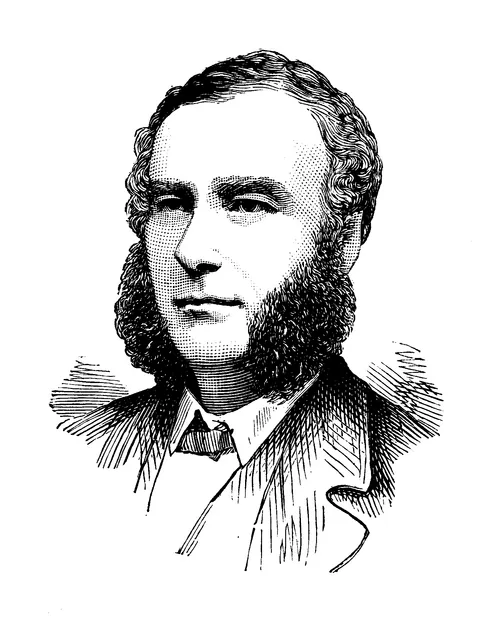
“The party consisted of fourteen men: two of these are dead, but with all the remaining twelve we conversed. They were commanded, as I have just said, by Vilhjalmur, and started in an eight-oared boat from Kyrkjuvogr, one evening between the 2nd and 5th of June, 1844. The next morning early they arrived off Eldey.”
“A large portion of the southern and most extensive swell of rock is thickly covered with vegetation, this, the former breeding ground of the Great Auk, being mapped out in vivid green by the plants nourished by the decomposed bodies and slowly decomposing bones of the long extinct bird. It would seem that the Auk inhabited every accessible foot of ground, the inability of the bird to fly restricting it of necessity to such portions of the island as could be reached after a landing had been effected on the northerly or southerly slope.”
Smithsonian report for 1888, p. 507 · transcription
The great auk was a flightless North Atlantic seabird. In 1844, two birds were captured on Eldey, Iceland.
Summary adapted from Wikipedia contributors, Great auk, accessed 28 September 2026 (CC BY-SA 4.0). Image: Ole Worm, Museum Wormianum (1655), public domain, via Wikimedia Commons.
Four historical depictions, from Ole Worm’s museum catalogue to a late nineteenth-century egg lithograph. Select an image for its Commons record.
Worm’s great auk1655 · Ole Worm · public domainBritish birds1804 · Thomas Bewick · public domainPlate 3411827–1838 · John James Audubon · public domainGreat auk egg1888 · F. W. Frohawk / Wellcome · CC BY 4.0
 Martin Martin St Kilda